
SEAONC x UC Berkeley SEMM:
Seismic Retrofit of Existing Buildings in New Zealand: Changes to the Earthquake-Prone Building Policy
by Professor Ken Elwood
Date and Time: Thursday, October 1st, 5:30-7:30 pm
Location: Banatao Auditorium (Sudartja Dai Hall at UC Berkeley)
Cost: Free (for members, non-members, and students)
Since 1991, different forms of legislation in New Zealand, known as Earthquake-Prone Building (EPB) Policies, have required retrofitting of the most seismically-vulnerable buildings. The most recent policy was enacted in 2016 in response to the significant loss of life in the 2011 Christchurch Earthquake. This 2016 legislation has led to the retrofit or demolition of approximately 1500 earthquake-prone buildings (EPBs), but in recent years significant challenges have emerged with remediation often being uneconomic or unaffordable to may building owners. This presentation will explore some of the challenges of the current system and describe how an updated EPB legislation, currently making its way through New Zealand Parliament, seeks to address these challenges through a careful consideration of the three components of seismic risk: hazard, vulnerability, and exposure.
About the Speaker
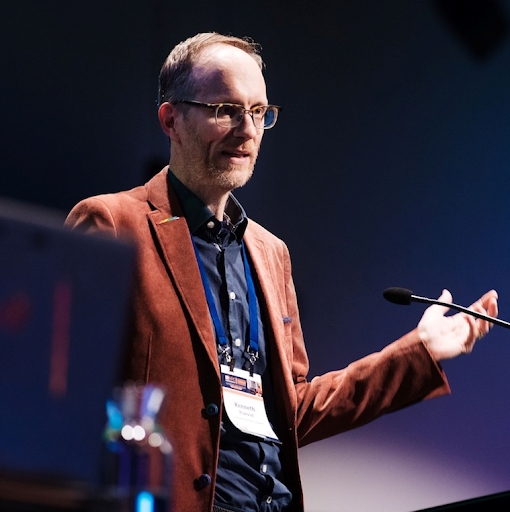
Ken Elwood, Professor at University of Auckland, currently serves as Chief Engineer (Building Resilience) for Ministry for Business Innovation and Employment and the Natural Hazards Commission. He is involved in research and provides policy advice in relation to the seismic risk of existing buildings and design of new buildings.
Ken received his PhD in Civil Engineering from the University of California, Berkeley in 2002, M.S. from the University of Illinois at Urbana-Champaign in 1995, and BASc from the University of British Columbia in 1993. He has over 20 years experience on international standards and code committees in United States, Canada, and New Zealand. He chairs the Engineering New Zealand Seismic Risk Working Group and the Joint Committee for Seismic Assessment and Retrofit. Ken is a Fellow of Engineering New Zealand, New Zealand Society for Earthquake Engineering, and American Concrete Institute and currently serves as Executive Vice President of the International Association for Earthquake Engineering.